Introduction
Surgical procedures are often life-saving interventions that can dramatically improve the quality of life for patients. However, they also carry inherent risks, one of the most significant being the potential for infection. The impact of infection as a result of surgical errors can be devastating, not only for the patient but also for healthcare providers and institutions. This article delves into the multifaceted ramifications of surgical errors leading to infections, examining causes, prevention strategies, and implications for patient care.
The Impact of Infection as a Result of Surgical Errors
Infections resulting from surgical errors represent a critical concern in modern medicine. They can arise from various sources, including improper sterilization techniques, noncompliance with infection control protocols, and even human error during surgery. The consequences are dire: increased morbidity, prolonged hospital stays, heightened healthcare costs, and in some cases, mortality. According to studies conducted by healthcare authorities such as the Centers for Disease Control and Prevention (CDC), approximately 1 in 31 hospital patients has at least one Healthcare-Associated Infection (HAI).
Infections can lead to severe complications such as sepsis—a life-threatening condition that arises when the body's response to an infection injures its tissues and organs. Moreover, patients who contract an infection post-surgery may require additional surgeries or treatments like antibiotic therapy. These repercussions highlight the urgency for healthcare professionals to maintain stringent standards in surgical practices.
Understanding Surgical Errors
What Are Surgical Errors?
Surgical errors encompass a range of mistakes made during surgical procedures that can adversely affect patient outcomes. These may include:
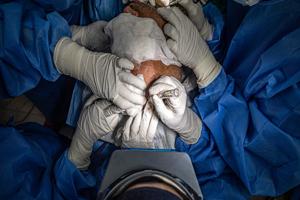
- Wrong-site surgery Retained foreign objects Anesthesia mishaps Inadequate wound closure
Each type of error carries a unique set of risks associated with postoperative infections.
Common Types of Surgical Errors Leading to Infection
Contamination During Surgery- Poor sterilization practices can introduce pathogens into sterile areas. Improper handling of instruments increases contamination risk.
- Failure to monitor surgical sites properly. Neglecting signs and symptoms of infection.
- Miscommunication among surgical teams. Fatigue or distraction leading to oversight.
Why Do Infections Occur?
Pathophysiology Behind Surgical Site Infections (SSIs)
Surgical site infections occur when bacteria penetrate deeper than the skin's surface—often during incisions http://healthcare-fraud-updates-report.raidersfanteamshop.com/when-good-intentions-lead-to-harm-the-paradox-of-care made in surgery. The inflammatory response triggered by this invasion causes redness, swelling, pain, and sometimes pus formation.
Risk Factors Contributing to SSIs
Several factors increase susceptibility to infections after surgery:
- Patient-related factors: Age, diabetes mellitus, obesity. Procedure-related factors: Duration and complexity of surgery. Environmental factors: Sterility conditions in operating rooms.
Statistics on Surgical Infections
Prevalence Rates in Various Surgeries
Understanding how widespread these issues are helps emphasize their importance:
| Type of Surgery | SSI Rate (%) | |-------------------------|--------------| | Orthopedic | 1–5% | | Cardiac | 2–4% | | Gastrointestinal | 3–30% |
These statistics underscore that certain types of surgeries are more prone to infections than others.
Consequences of Infection Following Surgical Errors
Physical Consequences for Patients
The impact on physical health can be profound:
- Prolonged recovery times. Increased risk of chronic pain or disability.
Patients may face repeated visits to healthcare facilities due to complications arising from infections—affecting their overall quality of life.
Psychological Effects on Patients
Beyond physical implications lies an emotional toll:
- Anxiety related to health concerns. Decreased trust in medical professionals.
These psychological effects can linger long after physical healing occurs.
Economic Impacts on Healthcare Systems
Cost Implications Due to SSIs
Healthcare systems bear substantial costs associated with managing surgical infections:
Additional treatments Extended hospital stays Increased use of antibioticsAccording to estimates from the CDC, SSIs contribute significantly to billions annually in excess healthcare costs.
Preventative Measures Against Infections Post-Surgery
Importance of Preoperative Care
Effective preoperative care is crucial in minimizing infection risk:

Intraoperative Protocols
Adhering strictly to guidelines during surgery can minimize infection rates:
- Ensuring all instruments are sterilized appropriately. Implementing strict hand hygiene protocols among surgical staff.
Postoperative Care Strategies
Monitoring Signs and Symptoms Early On
Vigilance post-surgery is key:
- Regular checks on incision sites for signs like redness or discharge.
Promptly addressing any symptoms can prevent complications from escalating into severe infections.
Legal Implications Surrounding Surgical Errors Leading to Infection
Liability Issues Faced by Medical Professionals
When surgical errors lead to infections, legal ramifications may ensue:
Malpractice claims against surgeons or hospitals. Reputational damage within the medical community.Medical professionals must be aware that failure to adhere to established protocols could result not only in harm to patients but also legal consequences for themselves and their institutions.
Case Studies Highlighting Infection Risks Due To Surgical Errors
Case Study 1: A High-Risk Cardiac Procedure
A recent case involved a cardiac patient who developed an SSI after bypass surgery due to inadequate sterilization processes within the operating room—demonstrating how lapses lead directly to negative outcomes.
Case Study 2: Orthopedic Surgery Gone Awry
Another incident involved an orthopedic surgeon who mistakenly left a sponge inside a knee joint during total knee replacement surgery—a classic example leading directly to infection requiring further intervention.
FAQ Section
1. What is a surgical site infection (SSI)?
An SSI is an infection that occurs at or near a surgical incision within 30 days after surgery or within one year if an implant is placed during the operation.
2. How common are SSIs?
Approximately 3%–5% percent of all surgeries lead to SSIs according to various studies by health organizations like WHO and CDC.
3. What are some symptoms indicative of an SSI?
Symptoms include increased pain at the incision site, fever, redness around the incision area, warmth over affected areas, and discharge or pus leaking from wounds.
4. Can SSIs be prevented entirely?
While it's challenging to eliminate all risks entirely due diligence regarding hygiene practices before, during—and after—surgery helps minimize occurrences significantly!
5. Who is at higher risk for developing SSIs?
Individuals with compromised immune systems (e.g., elderly patients), those with chronic diseases (like diabetes), smokers—and lengthy surgeries—face heightened risks!
6 What should I do if I suspect I have an SSI after surgery?
If you notice unusual symptoms following your procedure consult your surgeon immediately so they can assess whether you need treatment!
Conclusion
The impact of infection as a result of surgical errors cannot be understated; it poses serious challenges both physically and economically for patients and healthcare providers alike. Understanding how these infections develop—and implementing effective prevention strategies—are essential steps toward improving patient outcomes and reducing healthcare costs associated with postoperative care failures.
As we move forward into increasingly complex medical landscapes filled with technological advancements alongside evolving standards—ensuring our commitment toward rigorous safety measures will ultimately define success stories surrounding successful recoveries following surgeries!
